How to Choose a BESS Manufacturer: 10 Things Buyers Should Check
Choosing the right BESS manufacturer is one of the most important decisions for an energy storage project. Whether you are purchasing residential batteries, commercial and industrial energy storage systems, or utility-scale battery storage, the manufacturer you select can directly affect system safety, project ROI, installation efficiency, long-term reliability, and after-sales support.
With hundreds of battery energy storage companies and BESS suppliers available worldwide, comparing manufacturers based only on price is risky. A lower battery price does not necessarily mean a lower total cost of ownership.
A reliable BESS manufacturer should be evaluated across multiple factors, including battery cell quality, BMS and EMS technology, manufacturing capability, certifications, cycle life, warranty, system integration, customization, delivery capability, and after-sales service.
This guide explains the 10 most important things buyers should check before choosing a BESS manufacturer and provides practical questions to ask potential suppliers.
Quick Answer: What Should You Check When Choosing a BESS Manufacturer?
Before signing a contract with a BESS supplier, buyers should check these 10 factors:
- Battery cell quality and chemistry
- BESS safety and battery management system
- Manufacturing capability and quality control
- Certifications and compliance
- Cycle life, degradation and warranty
- BESS system integration capabilities
- Product range and customization
- Project experience and application scenarios
- Delivery, local support and after-sales service
- Total cost of ownership rather than battery price alone
For most commercial buyers, battery quality, safety, warranty, manufacturing capability, and after-sales support should be evaluated before comparing prices.
1. Check the Battery Cell Quality
The battery cell is the fundamental component of a BESS.
A battery energy storage system can contain thousands of individual cells, so cell quality has a direct impact on system safety, capacity retention, cycle life, and long-term performance.
What should BESS buyers check?
Ask the manufacturer:
- What battery chemistry is used?
- Are the cells Grade A?
- Who manufactures the cells?
- What is the cell capacity?
- What is the cell cycle life?
- Are cell test reports available?
- Is the cell batch traceable?
- Does the manufacturer have a consistent cell supply?
For most modern stationary energy storage applications, LFP (Lithium Iron Phosphate) has become a preferred battery chemistry because of its combination of safety, cycle life, thermal stability and cost.
For example, SUNESS uses Grade A LiFePO4 battery cells for its energy storage products and can integrate cells from established suppliers such as CATL and EVE depending on product configuration and project requirements.
SUNESS also provides battery-cell solutions such as 314Ah and 280Ah prismatic LFP cells, as well as 40160 cylindrical cells, targeting BESS integrators, distributors and energy storage projects.
For buyers purchasing battery cells separately, checking the cell manufacturer, production batch, OCV/IR consistency, capacity test data and traceability is particularly important.
Key takeaway
Do not ask only:
“How much is the battery?”
Ask:
“Which cell is inside the battery, what grade is it, and how can you verify the cell quality?”
2. Evaluate BESS Safety and the Battery Management System
Safety should be one of the first considerations when selecting a BESS manufacturer.
A complete BESS is much more than a group of lithium batteries. It normally includes:
- Battery cells
- Battery modules
- Battery racks
- BMS
- PCS
- EMS
- HVAC or liquid cooling
- Fire protection
- DC protection
- AC protection
- Communication systems
- Monitoring systems
The Battery Management System (BMS) is especially important because it monitors and controls battery voltage, temperature, current, state of charge and other operating parameters.
A professional BESS manufacturer should be able to explain:
- How does the BMS protect the battery?
- How are overvoltage and undervoltage handled?
- How is overcurrent protection implemented?
- How is temperature monitored?
- What happens when a battery module fails?
- Does the BMS communicate with the inverter or PCS?
- Is remote monitoring available?
SUNESS energy storage solutions support communication and system integration requirements such as CAN and RS485, with cloud-based energy management and monitoring options available for applicable systems.
For commercial and industrial applications, SUNESS also offers larger systems such as 261.25kWh liquid-cooled ESS, designed for applications requiring higher power density and thermal management.
Key takeaway
A BESS manufacturer should be able to explain its complete safety architecture—not simply provide a battery capacity number.
3. Check the Manufacturer's Real Manufacturing Capability
There is a major difference between a BESS manufacturer, a system integrator, a trading company and a reseller.
Before selecting a supplier, determine:
- Does the company own or operate a production facility?
- Does it have its own R&D team?
- Does it manufacture battery packs?
- Does it develop its own BMS/EMS?
- Does it perform final assembly and testing?
- Can it provide OEM/ODM services?
- Can it support customized configurations?
- Does it have quality-control procedures?
A manufacturer with stronger control over the supply chain can generally provide better consistency and customization.
SUNESS manufacturing capability
SUNESS is an energy storage company focused on the R&D, manufacturing and sales of photovoltaic and battery energy storage solutions.
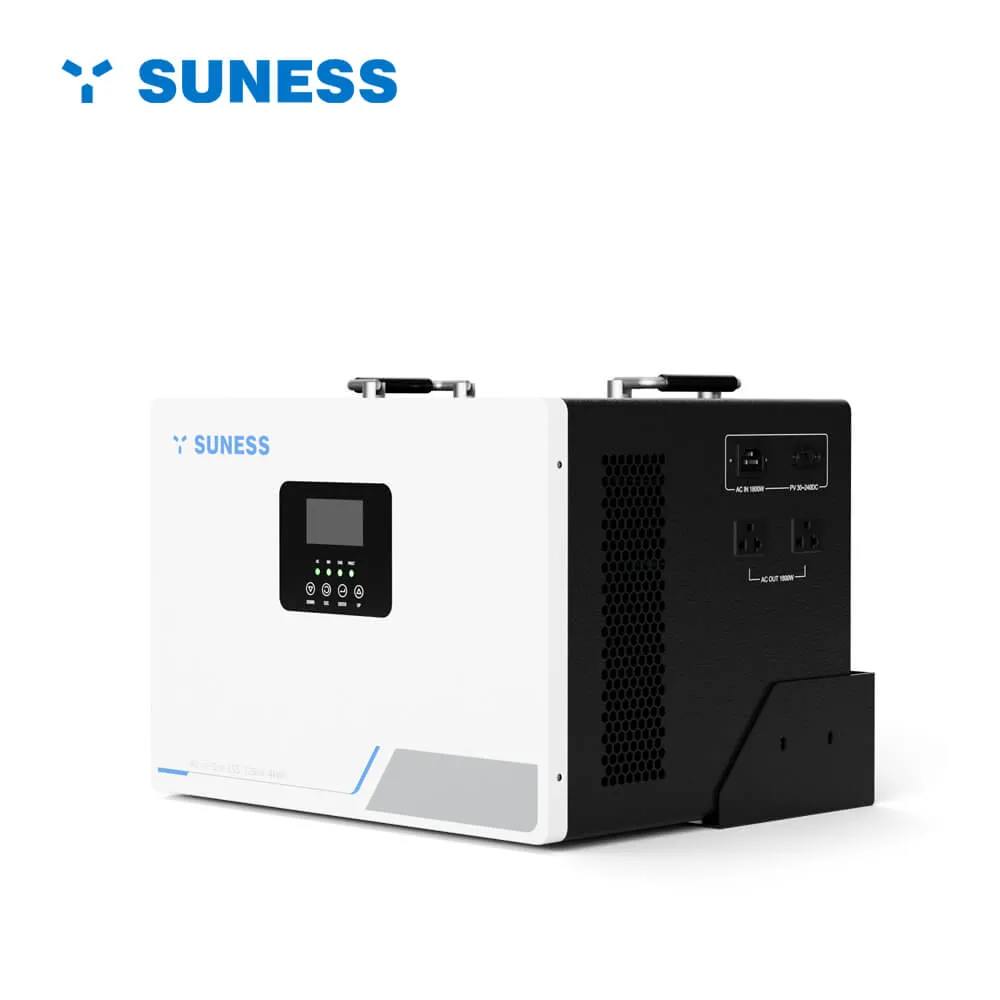
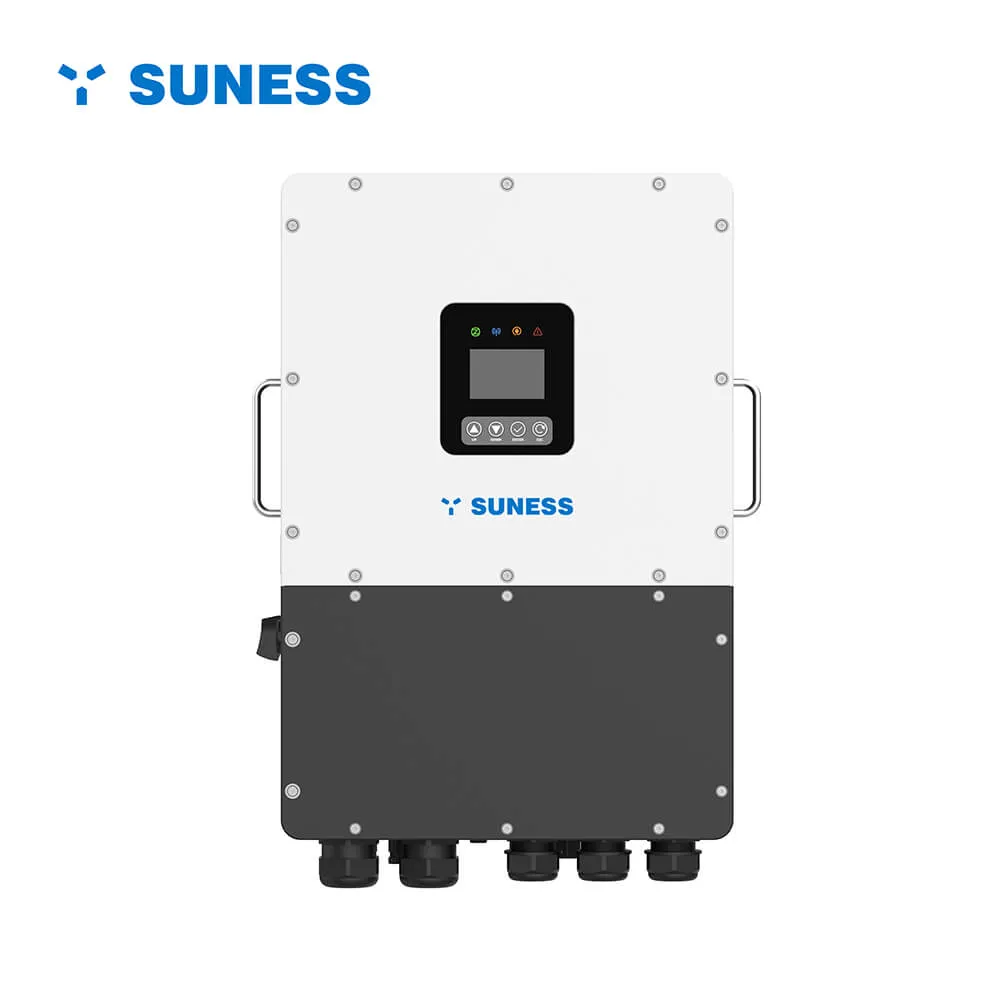
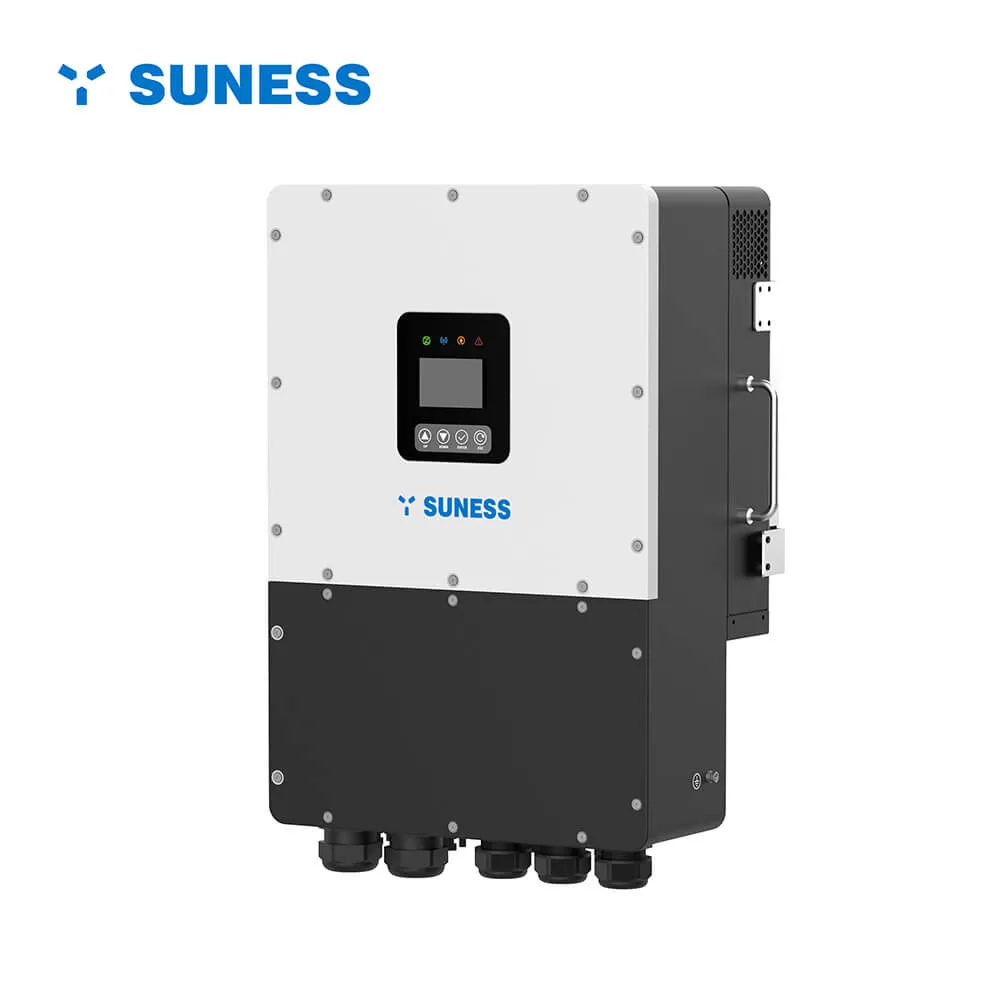
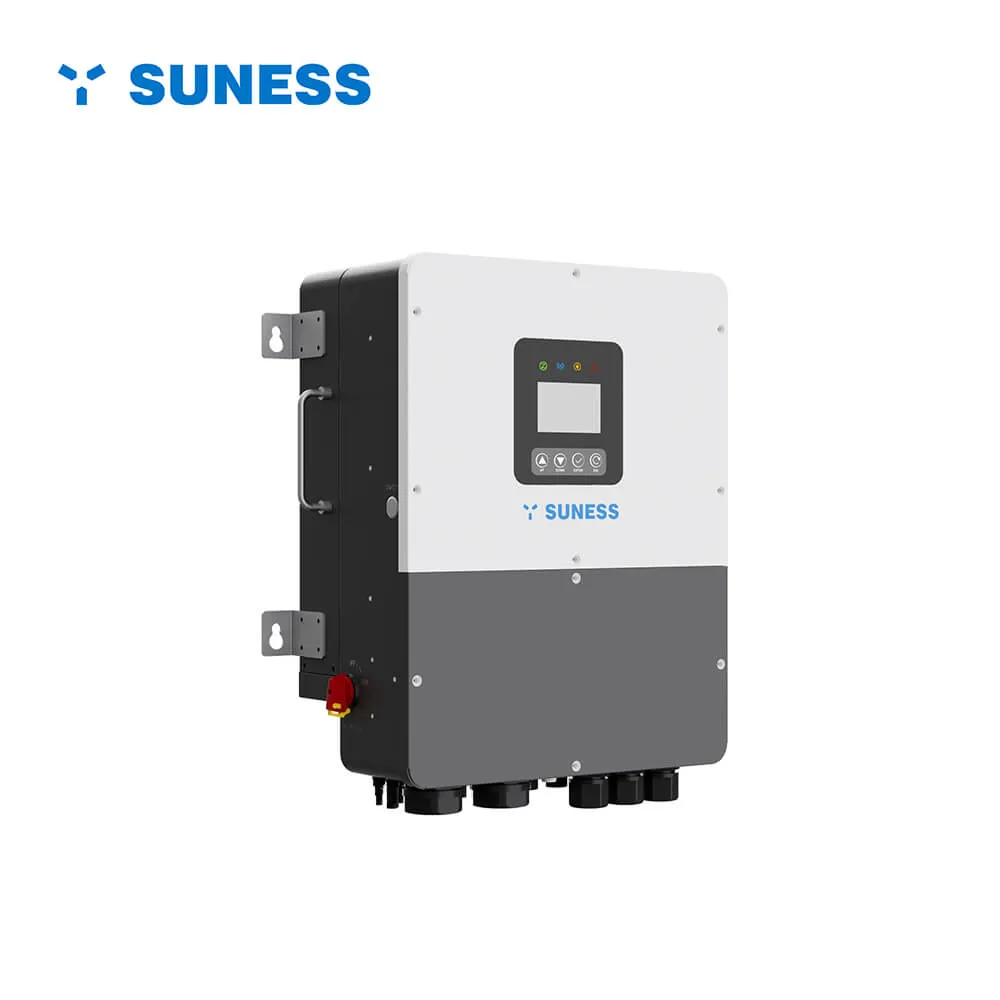
Its manufacturing and engineering capabilities cover battery packs, residential energy storage, commercial and industrial ESS, hybrid inverter solutions and larger BESS applications.
SUNESS can also support OEM, ODM and JDM cooperation, allowing distributors and energy storage companies to develop products according to local market requirements.
For B2B buyers, this can be particularly valuable when a standard catalog product does not exactly match local regulations, inverter compatibility, installation requirements or customer demand.
Key takeaway
Before buying from a company that calls itself a “manufacturer,” verify whether it actually controls the manufacturing and engineering process.
4. Verify Certifications and Compliance
Battery storage systems are electrical products with significant safety requirements. Certifications are therefore an essential part of supplier evaluation.
Depending on the product, application and target market, buyers may need to consider standards and certifications such as:
- CE
- IEC standards
- UL standards
- UN38.3
- MSDS
- ISO certifications
- Transportation requirements
- Local grid connection requirements
- Fire and electrical safety requirements
However, simply seeing a list of certificates on a website is not enough.
Buyers should ask:
- Which exact product does the certificate cover?
- Is the certificate current?
- Does the certificate belong to the manufacturer?
- Does the tested configuration match the product being purchased?
- Does the certification apply to the destination market?
SUNESS provides products with certifications and compliance documentation including CE, UL, IEC, UN38.3, MSDS and ISO-related documentation, depending on the specific product and market.
Important
Certification requirements can differ significantly between residential, C&I and utility-scale BESS projects.
Therefore, always evaluate certification requirements based on the actual project and destination country, rather than assuming that one certificate covers every application.
5. Compare Cycle Life, Degradation and Warranty
One of the biggest mistakes buyers make is comparing BESS products based only on initial price.
A battery's real economic value depends on how much usable energy it can deliver throughout its lifetime.
Important parameters include:
- Cycle life
- Depth of discharge (DoD)
- Round-trip efficiency
- Capacity degradation
- Operating temperature
- Warranty period
- Throughput warranty
- End-of-warranty capacity
For example, a battery advertised as having a low purchase price but poor cycle life may have a higher lifetime cost per kWh than a more expensive battery with longer service life.
What should buyers ask?
Instead of asking:
“How many cycles does the battery have?”
Ask:
“At what DoD, temperature, C-rate and end-of-life capacity is the cycle-life figure specified?”
This provides a much more meaningful comparison.
SUNESS offers energy storage products with long-cycle-life LFP battery technology. Depending on the product, SUNESS solutions can offer 8,000+ cycles, while certain product configurations are designed for 10,000+ cycles and can include a 10-year warranty.
However, buyers should always confirm the exact warranty, cycle-life conditions and performance guarantees for the specific model being quoted.
6. Check Whether the Manufacturer Can Deliver a Complete BESS Solution
A strong BESS manufacturer should be able to provide more than battery modules.
For commercial and industrial applications, a complete energy storage solution may include:
Battery → BMS → PCS → EMS → HVAC → Fire Protection → Transformer → Grid
The ability to integrate these components can significantly affect project performance.
For example, SUNESS provides multiple levels of energy storage solutions:
Residential and small-scale ESS
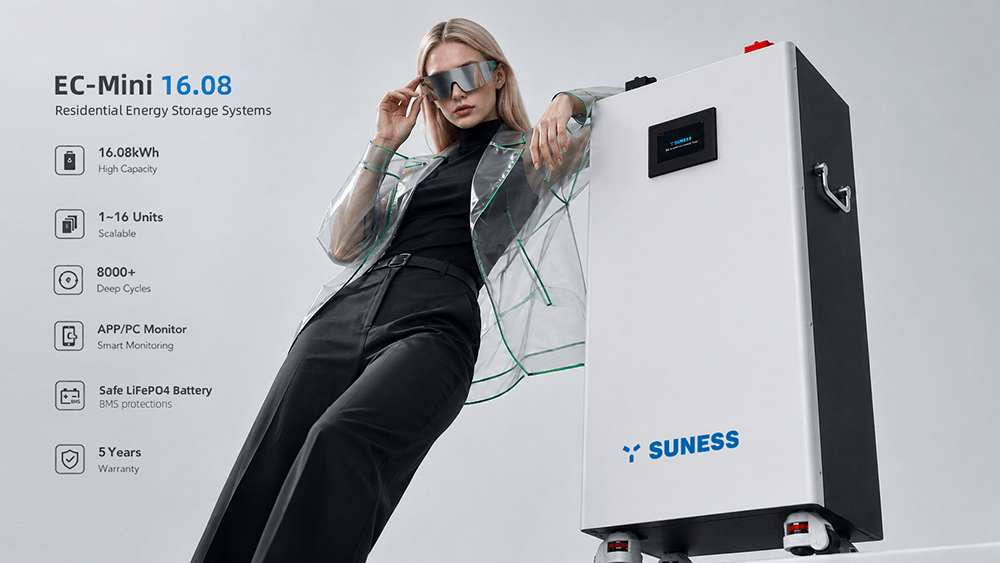
Products such as the SUNESS iPower-16.08E provide approximately 16.08kWh of energy storage capacity and are designed for residential and small-scale energy storage applications.
Commercial & Industrial ESS
SUNESS offers systems including:
- 25kWh HVS
- 40kWh HVS
- 60kWh HVS
- 261.25kWh liquid-cooled ESS
The 261.25kWh system is designed for C&I applications and combines battery storage with power conversion and thermal management.
Containerized BESS
For larger projects, SUNESS offers containerized energy storage solutions including configurations around:
- 600kWh / 300kW
- 1MWh / 500kW
- 2MWh / 1MW
The appropriate system depends on project load, PV capacity, required backup duration, grid conditions and business model.
7. Check Product Range and Customization Capability
Different markets require different BESS configurations.
A distributor in Africa may need a completely different solution from an EPC company working on a European C&I project.
Potential customization requirements include:
- Battery voltage
- Battery capacity
- Inverter compatibility
- Communication protocol
- Cabinet dimensions
- IP rating
- Cooling system
- Operating temperature
- Installation method
- Branding
- Software interface
- Grid requirements
A BESS manufacturer offering OEM and ODM capabilities can provide more flexibility than a company selling only standardized products.
SUNESS supports B2B customers including distributors, wholesalers, installers, EPC companies and energy storage businesses with OEM/ODM cooperation.
Communication protocols such as CAN and RS485 also help support integration with different inverter and energy management platforms.
Key takeaway
If you are building a long-term distribution business, don't evaluate a supplier only by today's product. Evaluate whether the supplier can develop products with you as your market grows.
8. Ask for Real Project Experience
A BESS manufacturer's website can look impressive, but actual project experience is more valuable.
Ask the supplier for information about projects similar to yours:
- Residential ESS
- Commercial buildings
- Factories
- Farms
- Mining sites
- Microgrids
- Telecom systems
- Solar-plus-storage projects
- Diesel generator replacement
- Peak shaving
- Backup power
- Utility-scale energy storage
A supplier experienced in your specific application is usually better positioned to understand the practical problems associated with installation, commissioning and operation.
For example, C&I energy storage requires different considerations from residential batteries.
A factory may prioritize:
Peak shaving + demand charge reduction + backup power
while a solar farm may prioritize:
Energy shifting + grid integration + renewable energy smoothing
The BESS manufacturer should understand the difference.
9. Evaluate Delivery and After-Sales Support
A BESS project does not end when the battery is shipped.
Long-term support can include:
- Installation guidance
- Commissioning support
- Remote technical support
- Spare parts
- Firmware updates
- Warranty service
- Troubleshooting
- Local service
- Replacement procedures
- Training for distributors and installers
This becomes particularly important for overseas projects.
A manufacturer with local warehouses, service teams or regional technical support can potentially reduce downtime and improve customer satisfaction.
SUNESS has developed overseas service and warehouse capabilities in several markets and supports B2B customers with technical communication, installation assistance and after-sales coordination.
For international distributors, this is important because the distributor's reputation is often directly connected to the manufacturer's response speed.
Questions to ask your BESS supplier
Before signing a contract, ask:
- What is the warranty response time?
- Who pays for replacement shipping?
- Are spare parts available?
- Is remote troubleshooting available?
- Can engineers support commissioning?
- Is installer training provided?
- Is there a local warehouse?
These questions can be more important than negotiating another few dollars per kWh from the initial quotation.
10. Compare Total Cost of Ownership, Not Just Battery Price
Price is important—but battery price is not the same as BESS cost.
The total cost of an energy storage project can include:
- Battery cells
- Battery modules
- BMS
- PCS
- EMS
- Cooling
- Fire protection
- Cabinet/container
- Transformer
- Installation
- Transportation
- Commissioning
- Maintenance
- Replacement components
- Financing
- Downtime
Therefore, two systems with the same nominal capacity can have significantly different lifetime economics.
A better metric is Total Cost of Ownership (TCO) or, for energy storage economic analysis, Levelized Cost of Storage (LCOS).
A simplified way to think about LCOS is:
LCOS ≈ Total Lifetime Cost ÷ Total Lifetime Energy Delivered
This means a battery with:
- longer cycle life,
- lower degradation,
- higher usable capacity,
- higher round-trip efficiency,
- and stronger warranty support
may provide better economics even if its initial purchase price is higher.
SUNESS: What Makes It a BESS Manufacturer Worth Evaluating?
For buyers looking for a long-term energy storage supplier, SUNESS combines battery technology, system integration and B2B manufacturing capabilities.
Key SUNESS capabilities include:
Battery Technology
- Grade A LiFePO4 battery cells
- 314Ah and 280Ah LFP prismatic cells
- 40160 cylindrical battery cells
- Long-cycle-life battery technology
Energy Storage Products
- Residential ESS
- HVS battery systems
- C&I battery energy storage systems
- Liquid-cooled ESS
- Containerized BESS
- Hybrid inverter solutions
- Battery modules and cells
System Integration
- BMS
- EMS
- PCS integration
- CAN communication
- RS485 communication
- Cloud monitoring and energy management
B2B Cooperation
- OEM
- ODM
- JDM
- Distributor cooperation
- Installer cooperation
- EPC projects
- Wholesaler supply
Quality & Compliance
- CE
- UL
- IEC
- UN38.3
- MSDS
- ISO-related certifications and documentation
For buyers comparing multiple BESS manufacturers, SUNESS can be evaluated based on the same criteria outlined in this guide: cell quality, manufacturing capability, system integration, certifications, lifecycle performance, product range and after-sales support.
BESS Manufacturer Buyer Checklist
Before selecting your supplier, use this checklist:
|
Evaluation Factor
|
Questions to Ask
|
|
Battery Cell
|
Which cell manufacturer? Grade A? Cell capacity?
|
|
Battery Chemistry
|
LFP or NMC? Why is it suitable for the application?
|
|
BMS
|
What protection and monitoring functions are included?
|
|
Manufacturing
|
Factory or trading company? In-house R&D?
|
|
Certifications
|
Which certificates apply to the exact model?
|
|
Cycle Life
|
Under what DoD, temperature and C-rate?
|
|
Warranty
|
How long? Capacity retention? Replacement policy?
|
|
System Integration
|
Battery + PCS + EMS + cooling + fire protection?
|
|
Customization
|
OEM/ODM/JDM available?
|
|
Project Experience
|
Similar projects completed?
|
|
Delivery
|
Production lead time and shipping capability?
|
|
After-Sales
|
Technical support, spare parts and local service?
|
|
Total Cost
|
What is the lifetime cost per delivered kWh?
|
Frequently Asked Questions About Choosing a BESS Manufacturer
What is the most important factor when choosing a BESS manufacturer?
There is no single factor. Buyers should evaluate battery cell quality, safety, manufacturing capability, certifications, cycle life, warranty, system integration and after-sales support together.
For commercial projects, lifecycle economics and technical reliability are generally more important than the lowest initial battery price.
Is LFP better than NMC for BESS?
For many stationary energy storage applications, LFP is an attractive option because of its safety characteristics, long cycle life and cost competitiveness. However, the best chemistry depends on the project's requirements.
How many cycles should a BESS battery have?
The required cycle life depends on how frequently the system is charged and discharged. Many modern LFP energy storage systems are designed for thousands of cycles, with some products rated at 8,000–10,000+ cycles under specified operating conditions.
What certifications should a BESS manufacturer have?
Requirements vary by product and market. Common standards and documents include UL, IEC, CE, UN38.3 and MSDS, as well as local grid, transportation and electrical safety requirements.
Should I buy directly from a BESS manufacturer or a distributor?
Buying directly from a manufacturer can provide advantages in pricing, customization, technical communication and OEM/ODM cooperation. However, a strong local distributor can provide advantages in installation, inventory and local after-sales service.
The best option depends on the size and complexity of the project.
What is the difference between a BESS manufacturer and a battery supplier?
A battery supplier may primarily provide cells or battery packs. A BESS manufacturer or system integrator may provide a complete solution involving batteries, BMS, PCS, EMS, cooling, fire protection, monitoring and grid integration.
For large commercial projects, system integration capability becomes increasingly important.
Final Takeaway: Choose a BESS Partner, Not Just a Battery Supplier
Selecting a BESS manufacturer should not be based on the cheapest quotation.
The right supplier should provide:
High-quality battery cells + safe BMS + reliable manufacturing + appropriate certifications + long lifecycle + strong warranty + complete system integration + customization + reliable delivery + long-term technical support.
For distributors, installers, EPC companies and commercial energy users, the ideal BESS manufacturer should also be capable of supporting the project beyond the initial shipment.
SUNESS provides a range of LiFePO4 battery cells, residential ESS, C&I energy storage systems, liquid-cooled ESS and containerized BESS, together with OEM/ODM/JDM capabilities for international B2B customers.
If you are comparing BESS suppliers for a new project, evaluate each manufacturer using the 10 criteria above—and request detailed technical, certification, warranty and project documentation before making the final purchasing decision.
Looking for a BESS manufacturer for your next project?
Contact SUNESS to discuss battery cells, residential ESS, C&I BESS, containerized energy storage or customized OEM/ODM solutions.